Two conversations keep coming up at Gwinnett community meetings and, honestly, at dinner tables: how fast the county is growing, and whether transit can keep up. Here's where both actually stand.
The Numbers Behind the Growth
Gwinnett remains one of the fastest-growing counties in Georgia, a trend county leadership and outlets like Georgia Trend have pointed to repeatedly as the county continues adding residents, rooftops, and jobs faster than most of its metro Atlanta peers. That growth is the backdrop for nearly every infrastructure conversation the county has — roads, schools, water capacity, and transit all get evaluated against a population that isn't slowing down.
The 2019 MARTA Vote (And What Happened After)
In March 2019, Gwinnett voters rejected a referendum that would have brought the county fully into MARTA, a result covered widely by outlets including Georgia Public Broadcasting at the time. It was a close, closely watched vote, and it effectively ended the conversation about full MARTA membership for the time being — but it didn't end transit investment in the county altogether.
What's Actually Running Today
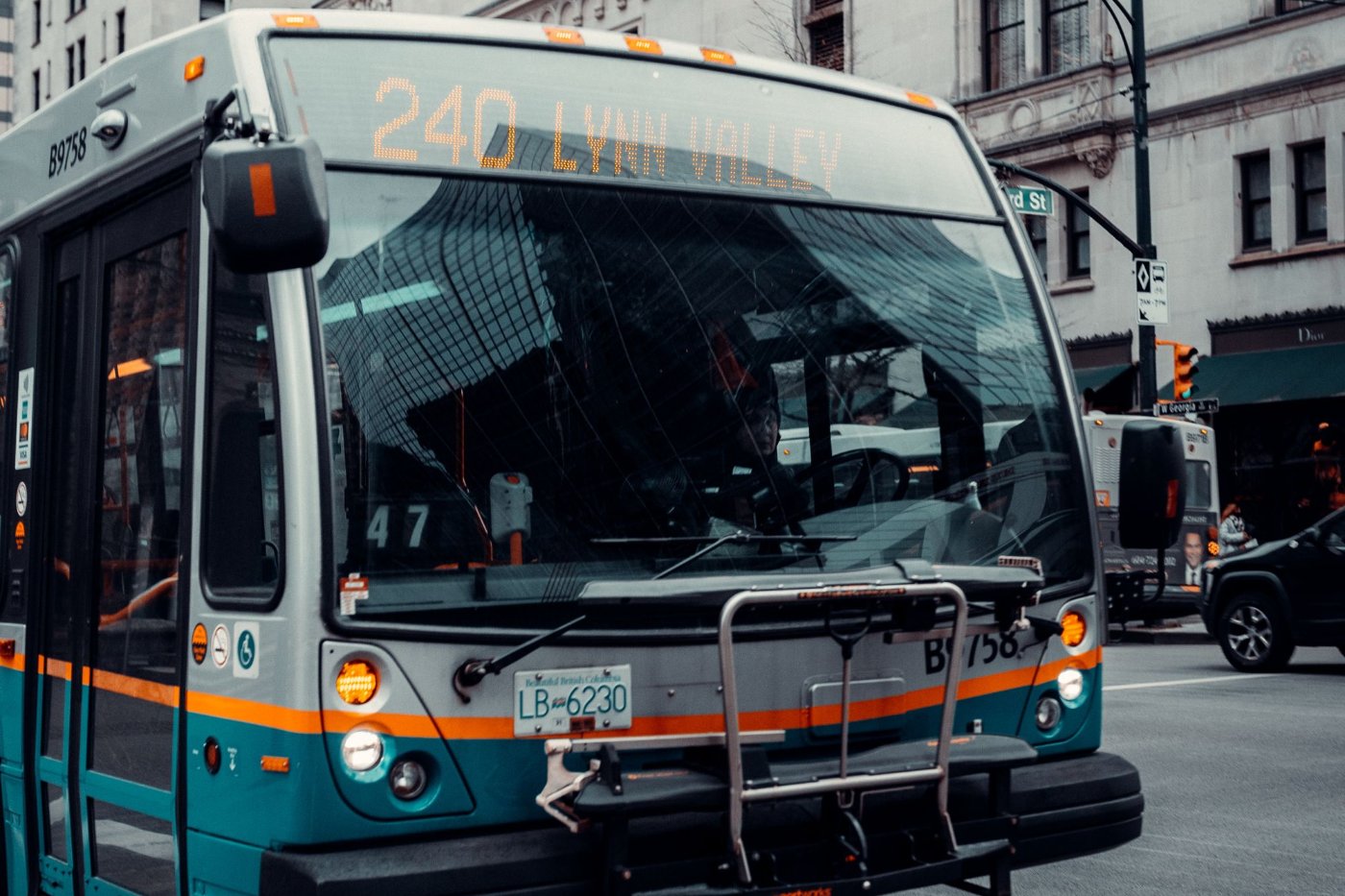
Gwinnett operates its own transit system independent of MARTA, running local routes alongside Xpress commuter buses that connect directly into MARTA rail stations for residents who want to finish their commute on rail. The county has continued to add bus routes linking neighborhoods to those MARTA connection points since the 2019 vote, which is the practical, incremental version of transit expansion that's actually happened here rather than one large system overhaul.
Why This Keeps Coming Up
The growth and transit questions are linked: more residents means more cars on I-85 and GA 400, and the county's own transit system is the release valve it controls without needing another countywide referendum. Expect this to keep being a live conversation in county planning meetings for years, especially as more mixed-use, higher-density development lands near the county's downtowns.