Relocation guides tend to describe Gwinnett in terms of schools and square footage. What they skip is the texture of an actual year here — what it feels like to walk outside in April versus August, and what locals plan their weekends around depending on the month. Gwinnett sits in a humid subtropical climate zone, with an average annual temperature around 61°F and roughly 56 inches of rain spread across the year, so there's no true dry season — just a wetter spring and a steadier summer.
Spring: Pollen First, Then Everything Blooms
If you move to metro Atlanta in March, you will hear about pollen before you hear about anything else. The Atlanta area, Gwinnett included, regularly posts some of the highest tree pollen counts in the country as oaks and pines release a yellow-green film that coats cars, driveways, and porches for a few intense weeks. It clears by late April, and what follows is arguably the county's best stretch of weather — azaleas and dogwoods blooming across older neighborhoods, and the first patio-weather weekends of the year.
Summer: Humidity, Pool Season, and Evening Plans
Summer in Gwinnett means heat paired with real humidity, with afternoons regularly reaching the upper 80s and low 90s. Locals adjust by shifting outdoor time to morning and evening — early workouts at the county's parks, dinner on a patio after 7pm once the sun starts dropping. Neighborhood and county pools open for the season, and it's the busiest stretch for outdoor markets and evening events, since nobody wants to be outside at 2pm in July.
Fall: The Festival Stretch
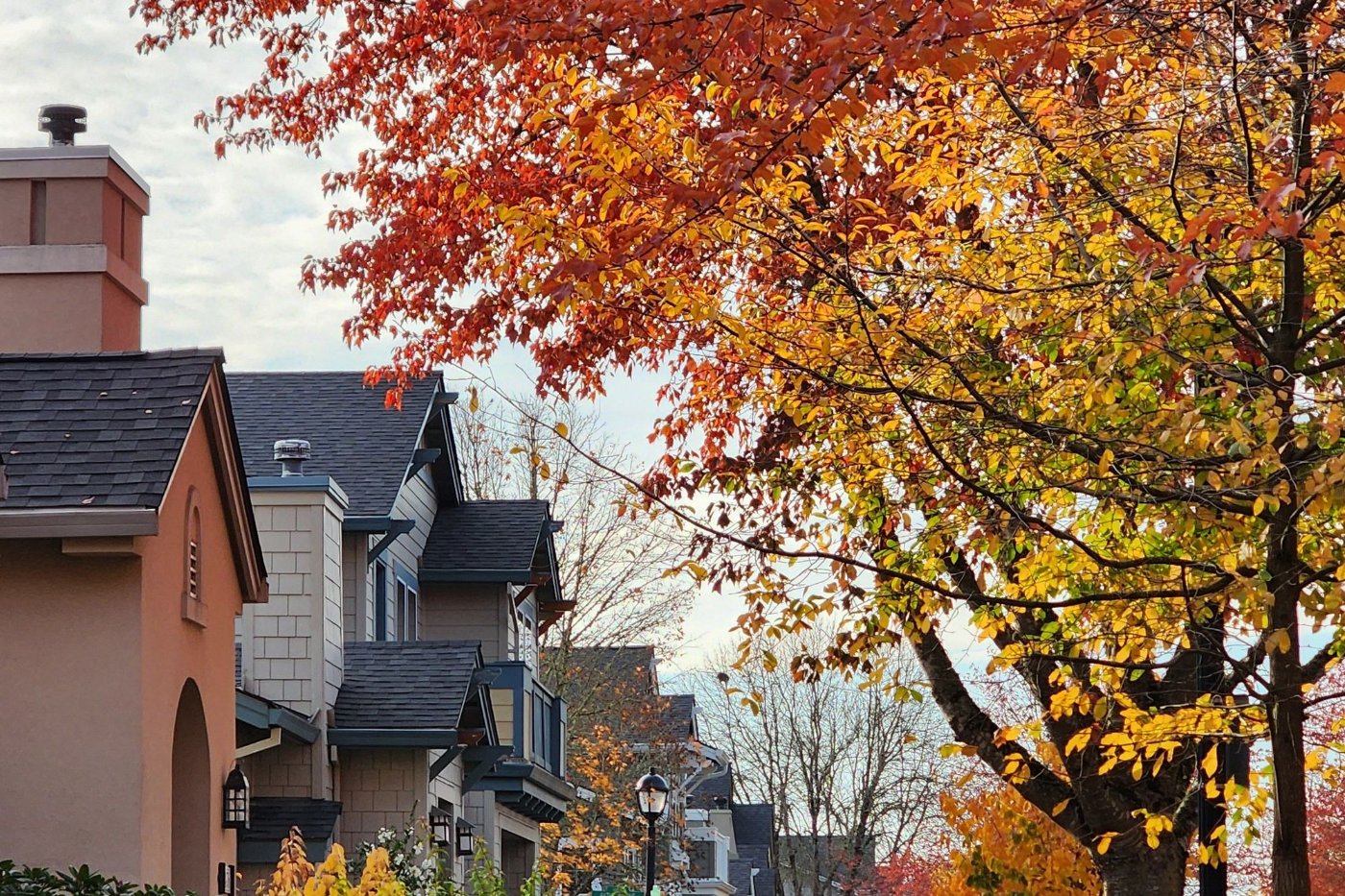
Fall is when Gwinnett's calendar gets crowded. Temperatures ease into the 70s, humidity drops, and the county's festival season kicks into gear across its downtowns — enough of it that it gets its own separate rundown here on Local News. It's the season locals point to when they talk about why they stay.
Winter: Mild, With the Occasional Ice Week
Winters here are mild by most standards — daytime highs commonly in the 50s, with genuinely cold snaps the exception rather than the rule. The wrinkle newcomers from colder states don't expect: metro Atlanta, Gwinnett included, gets so little snow and ice that the region doesn't have the fleet of plows and salt trucks that northern cities do, so on the rare day a freeze rolls through, even a light ice event can shut down schools and slow the highways for a day or two. It happens maybe once or twice a winter, not every year.
A County That Doesn't Look Like One Thing
One thing that doesn't come through in a listing sheet: Gwinnett is consistently ranked among the most ethnically and culturally diverse counties in the Southeast, which shows up in daily life in obvious ways — the range of restaurants and grocery stores along corridors like Buford Highway and Steve Reynolds Boulevard, the international markets, the multilingual signage in some retail centers. It's part of what makes the county feel different from a typical Atlanta suburb once you've actually lived in it for a season or two.